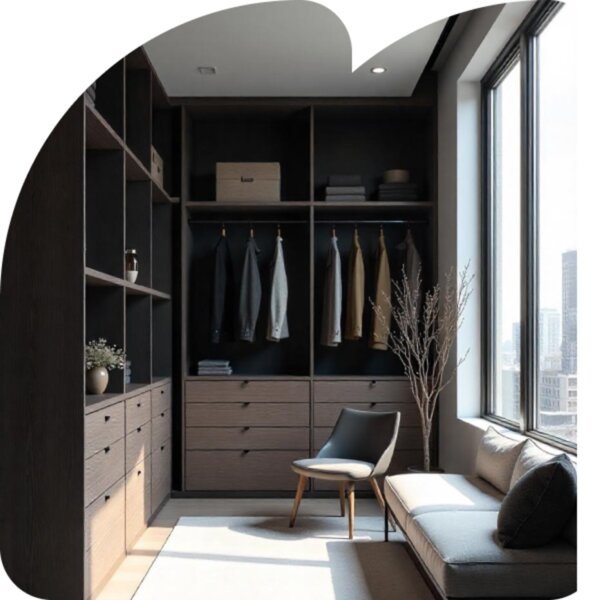
The furniture industry has a waste problem. Every year, millions of tons of furniture end up in landfills—particle board that was never designed to last, trendy pieces that fell out of fashion, flat-pack items that couldn't survive a move. Behind every discarded dresser lies extracted resources, manufacturing emissions, and transportation footprints that mattered once and now matter only as pollution.
Sustainable design isn't about sacrifice. It's about intelligence—choosing materials that last, designing systems that adapt, and investing in quality that reduces long-term consumption. Done well, sustainable interiors aren't just better for the planet; they're better for the people living in them.
The True Cost of Cheap Furniture
That affordable bookshelf might cost €40 at checkout, but what's its true price? Consider the lifecycle: manufactured from virgin materials, shipped across oceans, driven to a warehouse, transported to your home, used for a few years, then hauled to a landfill where it will sit for decades.
Contrast this with quality furniture designed for longevity. Higher upfront cost, yes—but amortized over twenty years instead of three, it often costs less per year of use. And when its first life ends, quality materials can be repurposed, recycled, or composted rather than buried.
Materials That Matter
Not all materials carry equal environmental weight. Informed choices start with understanding what you're bringing into your home.
- Certified wood — Look for FSC or PEFC certification, which ensures forests are managed responsibly. Bonus points for locally sourced timber that minimizes transportation impact.
- Recycled and reclaimed materials — Recycled metals, reclaimed wood, and repurposed materials give new life to existing resources. Often, these materials carry character that new stock can't replicate.
- Low-emission finishes — VOCs (volatile organic compounds) in paints and finishes affect indoor air quality and environmental health. Water-based finishes and natural oils offer cleaner alternatives.
- Durable composites — Not all engineered materials are equal. High-quality MDF and plywood from responsible sources can offer strength and stability with less solid wood consumption than traditional construction.
Design for Longevity
The most sustainable furniture is furniture that stays out of the landfill. This means designing—and choosing—pieces that adapt over time.
Modular systems excel here. A well-designed storage system can reconfigure as your needs change: expanding when you move to a larger space, reorganizing as your wardrobe evolves, even disassembling for transport and reassembling in a new home. Compare this to built-ins that get demolished during renovation or standalone pieces that don't fit through the next apartment's door.
The greenest piece of furniture is the one you never have to replace. Design for adaptation, and you design for sustainability.
The Quality-Sustainability Connection
Fast furniture and fast fashion share a model: extract maximum profit from minimum material investment, then encourage replacement through low durability and trend cycling. This business model depends on disposability.
Sustainable design inverts this relationship. Quality materials, thoughtful engineering, and timeless aesthetics create pieces that owners want to keep. Drawer slides that glide smoothly after thousands of cycles. Hinges that don't loosen. Surfaces that age gracefully instead of degrading. These aren't luxury features—they're sustainability features.
Practical Steps Toward Sustainable Interiors
- Buy less, choose well — Before purchasing, ask whether you truly need the item and whether this specific piece will serve you for years, not months.
- Research materials — Ask manufacturers about sourcing, certifications, and material composition. Reputable companies share this information readily.
- Consider the full lifecycle — What happens when you're done with this piece? Can it be disassembled, recycled, or passed on? Difficulty of disposal reflects environmental impact.
- Invest in flexibility — Modular, adjustable, reconfigurable systems accommodate changing needs without requiring replacement.
- Support responsible manufacturers — Vote with your purchasing power for companies that prioritize sustainability in their operations, not just their marketing.
Beautiful and Responsible
The good news: sustainable design and beautiful design aren't opposing forces. Natural materials often look better than their synthetic alternatives. Quality construction often means cleaner lines and better proportions. Timeless aesthetics often outlast trendy choices.
When we design spaces with longevity in mind, we create environments that satisfy today while respecting tomorrow. That's not compromise—it's design doing what design should do: solving problems thoughtfully, elegantly, and with awareness of consequences beyond the immediate.